


- 27 May, 2026
- 0 Comments
- 3 Mins Read

How FIFA World Cup 2026 + BTS Could Redefine Global Marketing Strategy
Stadiums Are Ready. The Internet Is Already Cheering.
The road to the 2026 FIFA World Cup is beginning to look less like a football tournament and more like the biggest entertainment spectacle the world has ever seen.
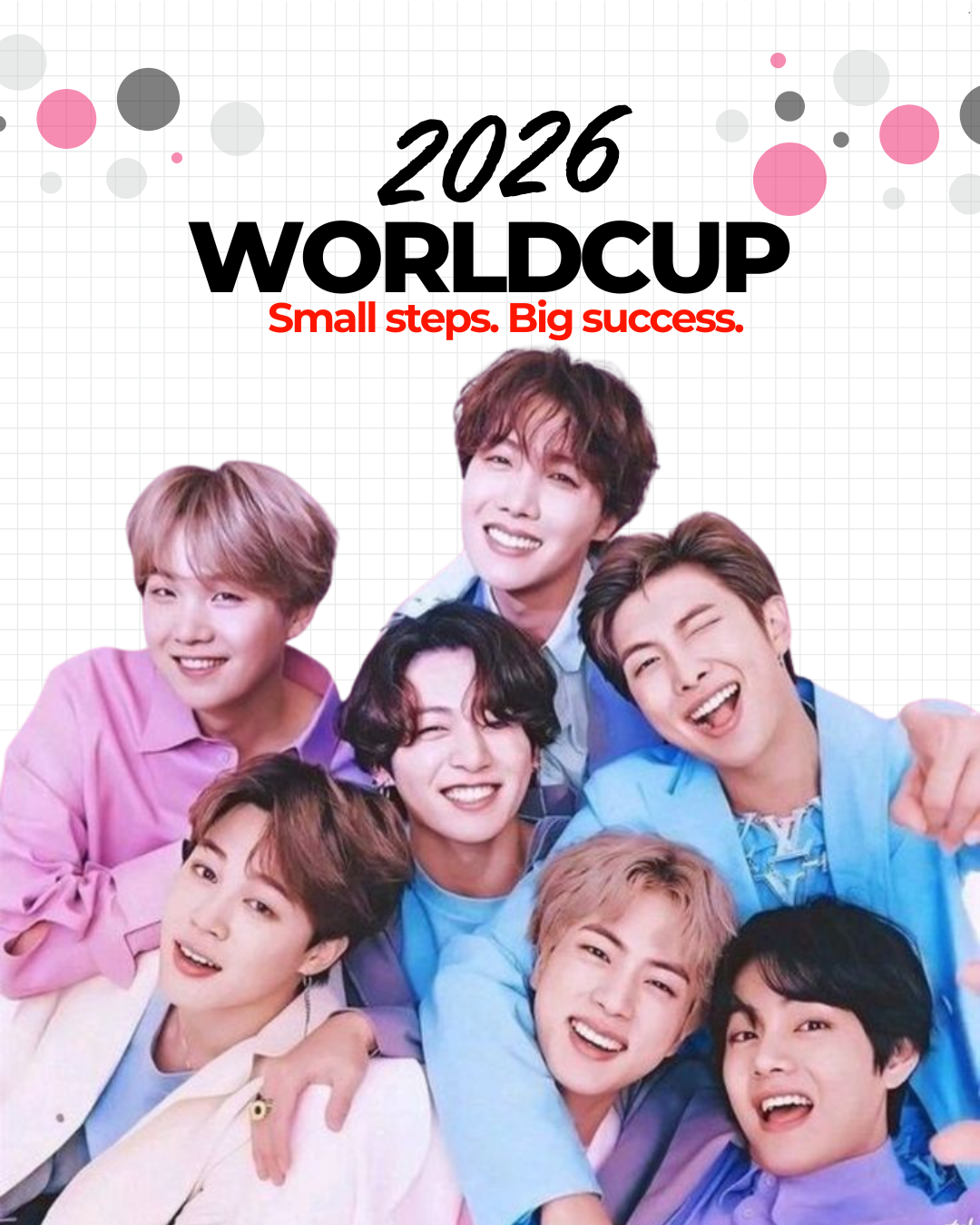
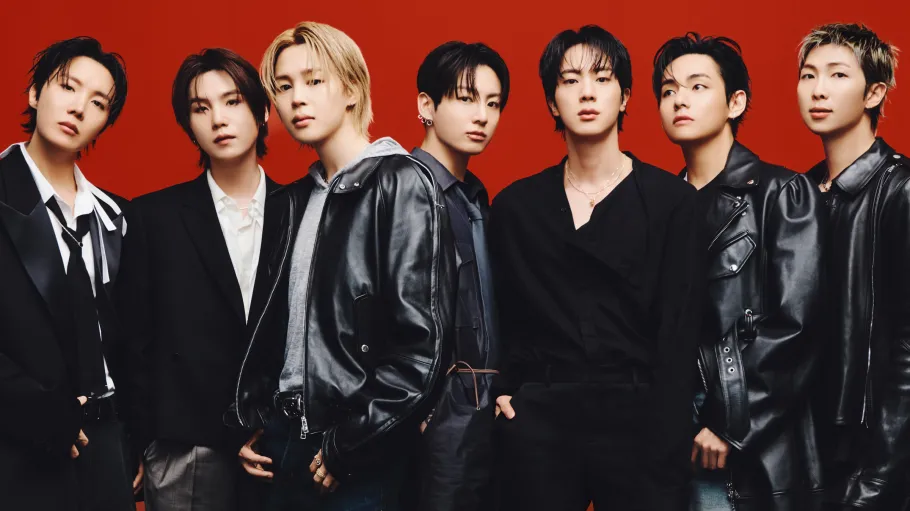
With reports confirming a historic halftime show featuring BTS, Shakira, and Madonna, FIFA is officially entering a new era where sports, music, digital culture, and fandom power merge into one global experience.
And the reaction?
Pure celebration.
Across TikTok, Instagram, X, YouTube, and fan communities, millions are already treating FIFA 2026 like a worldwide festival before the tournament has even started.
“This Is Bigger Than Football”
For decades, the FIFA World Cup belonged mainly to sports culture.
But 2026 is changing the game.
For the first time ever, FIFA is introducing a Super Bowl-style halftime show during the World Cup Final at MetLife Stadium in New Jersey.
The decision instantly transformed the tournament into:
- A sports event
- A music festival
- A social media phenomenon
- A marketing goldmine
- A global pop-culture moment
Fans are now discussing performances as passionately as football lineups.
And that is exactly what modern marketing looks like.
The Internet Is Already in Celebration Mode
The moment FIFA-linked reports connected BTS, Shakira, and Madonna to the halftime stage, social media exploded.
Fans began creating:
- AI concert posters
- Stadium edits
- Countdown reels
- Fan theories
- Mashup trailers
- Celebration hashtags
The hype became so massive that even unofficial promotional posters started trending globally within hours.
This is not traditional advertising anymore.
This is fan-powered marketing.
The audience itself is creating the campaign.
Why Shakira Is the Heart of FIFA Culture
When people think of football music, one name immediately appears:
Shakira.
From “Waka Waka” to her newest FIFA-linked anthem campaigns, Shakira has become emotionally connected to World Cup history itself. Marketing experts describe her influence as “ownership of a cultural moment.”
For football fans:
Shakira represents nostalgia, celebration, unity, and global energy.
That emotional memory gives FIFA something extremely powerful:
instant emotional recognition.
BTS Brings the Digital Generation
If Shakira represents football nostalgia,
BTS represents the future of global fandom culture.
ARMY is one of the most organized and emotionally connected fan communities in the world.
The moment BTS entered FIFA discussions:
- hashtags trended globally
- fan communities mobilized
- engagement exploded
- millions of younger users joined football conversations
FIFA is not just adding performers.
It is adding communities.
And communities create visibility faster than advertisements ever could.
Madonna Adds Global Legacy Power
Then comes Madonna a symbol of iconic global pop culture.
Her inclusion adds:
- legacy appeal
- cross-generational audiences
- Western pop influence
- classic entertainment prestige
Together, the lineup creates a perfect marketing triangle:
- Shakira → football emotion
- BTS → digital fandom power
- Madonna → global pop legacy
This is strategic audience engineering at the highest level.
FIFA Is No Longer Selling Matches It’s Selling Moments
Marketing analysts say FIFA 2026 is shifting from event marketing to experience marketing.
The tournament is becoming:
- Shareable
- Streamable
- Meme-driven
- Fan-generated
- Emotionally interactive
Instead of people simply watching matches,
they will:
- record reactions
- create edits
- post performances
- livestream celebrations
- participate in trends
The World Cup is evolving into a giant digital content ecosystem.
Not Everyone Is Happy And That Also Creates Marketing
Interestingly, some football fans online are criticizing the “Super Bowl-style” direction of FIFA 2026. Many argue that football tradition should remain untouched.
But even criticism is increasing visibility.
Because controversy creates discussion.
Discussion creates engagement.
Engagement creates reach.
Modern marketing understands one major truth:
Attention is currency.
And FIFA 2026 currently owns global attention.
The Real Winners? Brands.
Brands connected to FIFA 2026 are preparing for:
- record engagement
- viral collaborations
- immersive campaigns
- AI-generated fan experiences
- youth-focused storytelling
This is especially important for Gen Z audiences who no longer respond strongly to traditional advertising.
They respond to:
- cultural relevance
- emotional storytelling
- shareable experiences
- community identity
That is exactly why FIFA’s entertainment strategy matters.
The New Era of Global Cheering
The biggest takeaway from FIFA 2026 is simple:
People no longer just watch events.
They emotionally participate in them.
Fans are already cheering online.
Creating content.
Defending artists.
Debating halftime shows.
Sharing excitement.
Building anticipation together.
And that emotional participation is becoming the most powerful marketing strategy in the digital era.
Whether you support football, BTS, Shakira, Madonna, or simply global entertainment itself —
one thing is becoming clear:
2026 FIFA World Cup is no longer just a tournament.